
Hobbies
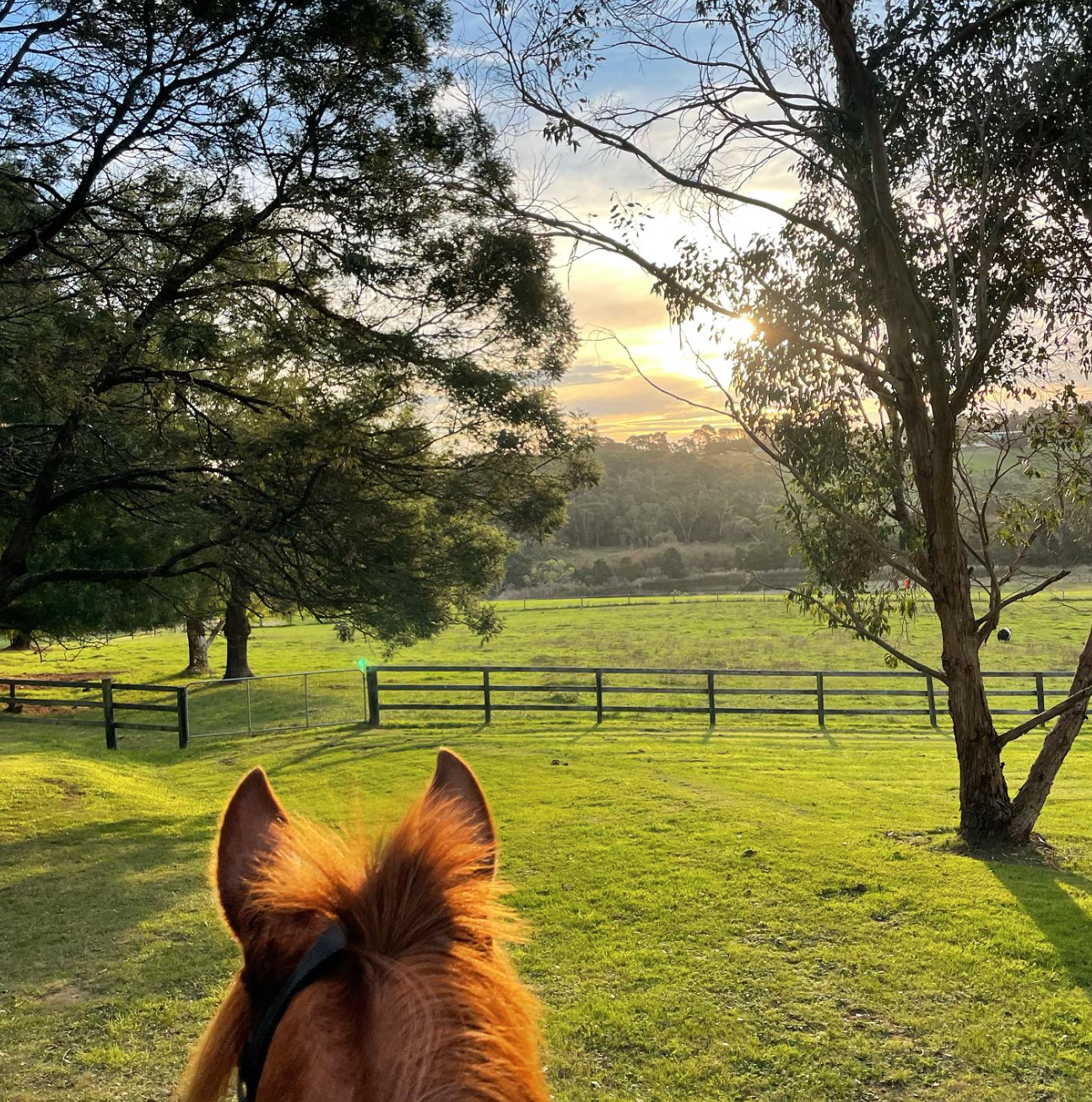
When did we stop doing things just because they make us happy?
Somewhere in the rush of deadlines, responsibilities, and the relentless scroll of productivity culture, the humble hobby got quietly demoted. If it doesn’t build your personal brand, generate side income, or signal self-improvement, it can feel almost frivolous. But this is precisely backwards. Hobbies — pursued for no reason other than pleasure — are one of the most potent tools we have for a life well-lived.
This is not a soft claim. The research is robust, the benefits are measurable, and the logic is simple: human beings are not built to be productive machines. We are built to create, to play, to connect, and to explore. Hobbies are the space where that essential, irreducible humanity gets to breathe.
What Counts as a Hobby?
A hobby is any activity you return to voluntarily, repeatedly, because it gives you something — pleasure, challenge, calm, expression, or community. It requires no monetisation, no audience, and no justification. If it brings you to life, it counts.
What the Science Says
The case for hobbies is not merely philosophical — it is physiological. A growing body of research shows that regular engagement in leisure activities produces measurable improvements in mental and physical health.
1. Stress Reduction — Leisure activities lower cortisol levels and reduce heart rate, creating a genuine physiological buffer against daily stress.
2. Flow State — Hobbies that match skill to challenge produce “flow” — a state of total absorption that psychologist Mihaly Csikszentmihalyi linked to deep happiness.
3. Identity Beyond Work — Having a rich inner life outside your job protects against burnout and keeps your sense of self resilient when work goes wrong.
4. Cognitive Reserve — Lifelong engagement in mentally stimulating hobbies is associated with reduced risk of cognitive decline in later life.
5. Social Connection — Group hobbies — book clubs, choirs, sports teams, craft circles — build the kind of community belonging that is deeply protective of mental health.
6. Sense of Mastery — Slowly getting better at something — even something inconsequential — feeds self-efficacy and quiet confidence that spills into every area of life.
A landmark study from the University of California found that people who regularly engaged in creative hobbies reported higher positive affect at work the following day — suggesting that time spent on personally meaningful activities doesn’t drain us, it replenishes us for everything else.
The Productivity Trap
One of the biggest barriers to hobbies in modern life is the internalised pressure to make everything useful. We feel we should monetise our baking, sell our paintings, or at least post our knitting on Instagram. But the moment a hobby becomes a side hustle, something fundamental changes — and not always for the better.
Research on intrinsic versus extrinsic motivation shows that introducing external rewards (money, likes, praise) can actually reduce enjoyment of an activity we previously loved freely. This is called the “overjustification effect,” and it is a real risk when we turn play into performance.
There is enormous value in having something that belongs entirely to you — not your followers, not your clients, not even your loved ones. Something you do in the quiet hours, for no purpose except that it feeds something in you that nothing else can reach.
Finding (or Returning to) Your Hobby
If you have lost touch with what you love to do, start by looking backwards. What captivated you as a child, before anyone told you what you were good at or what was worth pursuing? Drawing, making mud maps, acting out stories, collecting bugs, playing music badly and loudly — childhood passions are often the clearest signal of your genuine nature.
If you are starting fresh, give yourself permission to be a complete beginner. Take a class. Buy the starter kit. Join the community group. Expect to be bad at it, and then discover that being bad at something you love is still better than being brilliant at something you don’t.
The only rule is this: protect the time. It will not protect itself. The diary will fill with obligations, and your hobby will wait patiently in the margins unless you deliberately, unapologetically carve out the space for it. Schedule it. Keep that appointment. You are not being indulgent. You are being wise.
A Final Thought
In a culture that measures worth by output, the quiet insistence on doing something purely for joy is a form of resistance — and a form of wisdom. Hobbies remind us that we are not human doings. We are human beings. And being fully, richly, playfully, curiously alive is the point.
So pull out the sketchbook. Order the seeds. Tune the guitar. Sign up for the pottery class you’ve been putting off for three years. The world will not end while you are doing something wonderful. In fact, it might quietly get better.